

The Cameo Industrial Complex
Part 1: Disney brought Baby Yoda to the Oscars, WrestleMania & American Idol. What they never brought anywhere, is a story.

Last weekend, Disney brought The Mandalorian and Baby Yoda to WrestleMania.
Yet another high-profile marketing tie-in event, and once again, no answer to the question: what is this movie actually about?
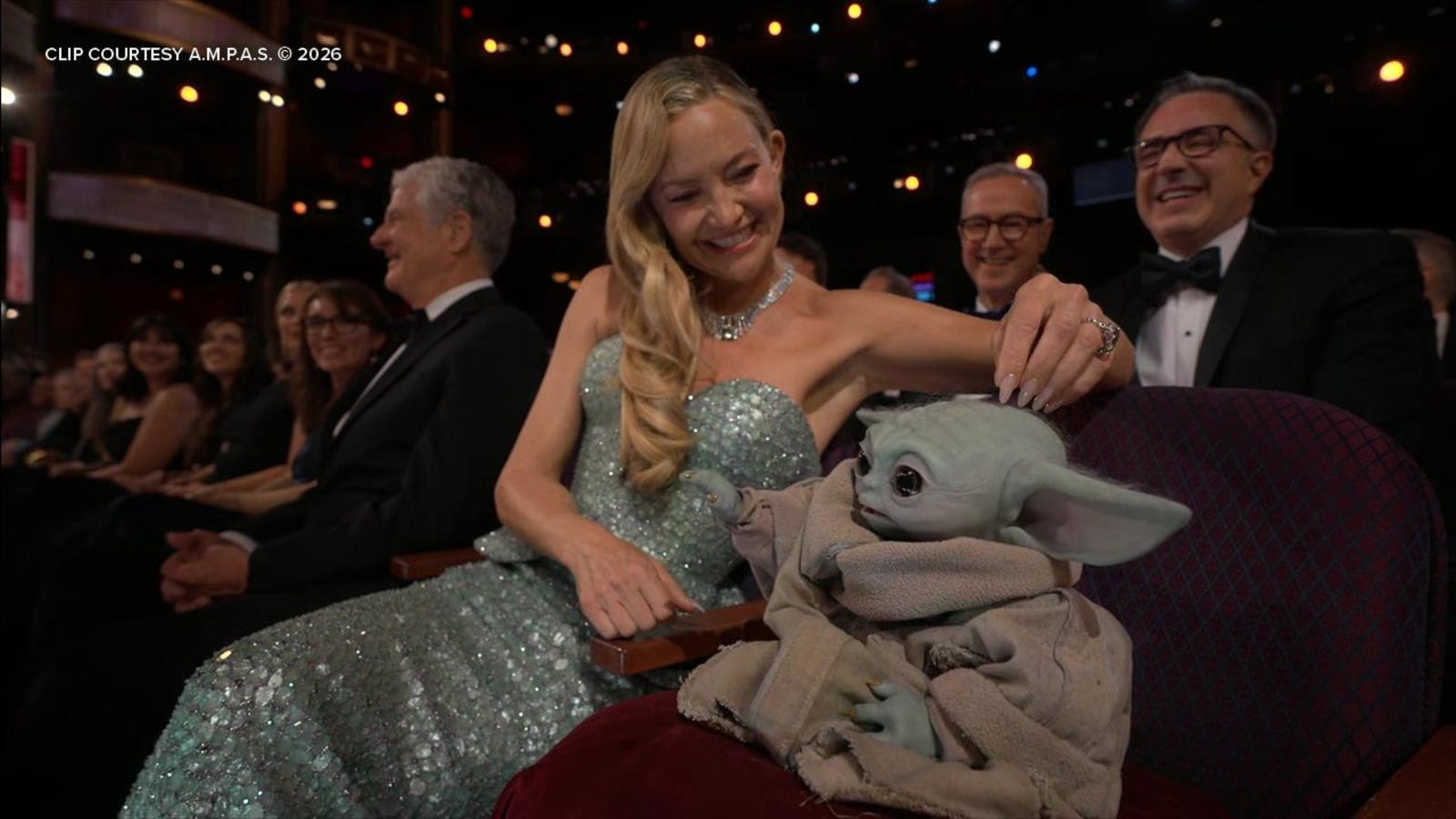
The night after, Star Wars showed up on American Idol’s Disney Night, complete with cringey social media posts showing Ryan Seacrest in a vaguely unsettling Yoda costume. And a few weeks before that, at the Oscars, Sigourney Weaver and Pedro Pascal, the actual stars of the film, were presenting an award when the segment pivoted to hey look, it’s that little green fella your wife loved in that Disney+ show six years ago.
This is not a marketing campaign. This is the Hollywood machine checking in on you.
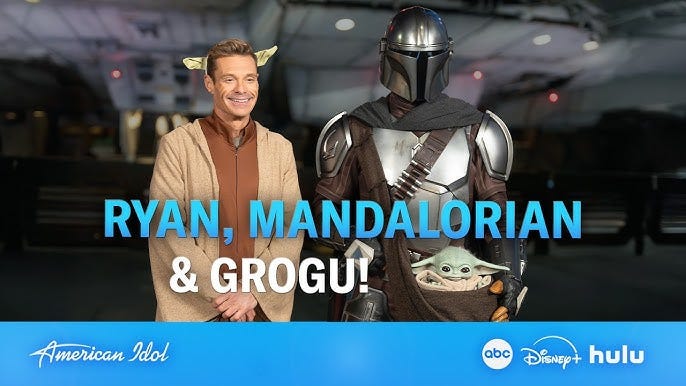
And I want to be specific here, because this isn’t a piece to whine about Star Wars. (There are enough of those) This is about a strange phenomenon — what happens when the largest creative company on Earth leaves Story behind. What happens when the people running the machine begin to believe that recognition is the same thing as being emotionally invested in a character?
BREAK BREAK: This piece is also about recognizing a pattern in how stories are being made and sold to you. And it matters because the stories we consume shape how we think about ourselves. That's exactly what we explore in Great Escape, our forthcoming book from Post Hill Press! Jump on the waiting list at greatescapebook.com for exclusive preorder bonuses and early-access features.
It’s the philosophy behind every recent Disney/Star Wars failure. And it is, I think, the philosophy that will condemn The Mandalorian and Grogu to the lowest box office opening weekend of any Disney-era Star Wars film.
But to see it clearly, we should start with what movie marketing should be.
The Movie Trailer: A Promise
Robert McKee, the screenwriting teacher whose seminar shaped many writers in Hollywood, says every scene in a movie must be unified around four things: desire, action, conflict, and change. A trailer should do the same.
The reason we sit through trailers is that we are scanning, in real time, for the answer to one question: do I want to spend two hours with this character? You already know the trailers that did this job well.
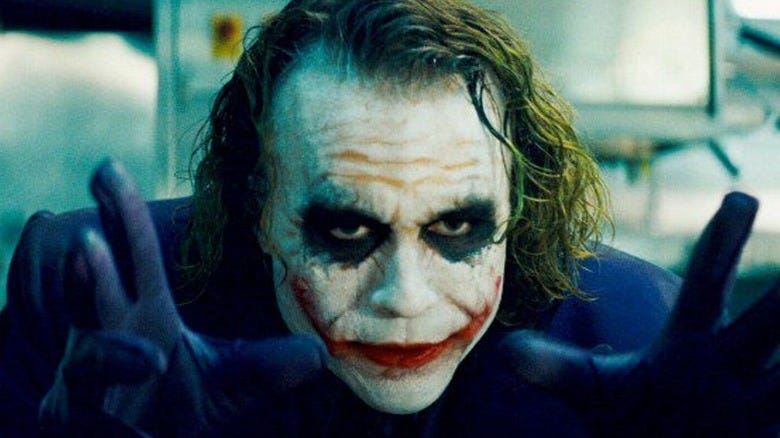
“Why so serious?”
Character motivation in three words. It is the philosophy of a man who believes the universe is a joke, and the marketing campaign for The Dark Knight spent months teaching you to fear him.
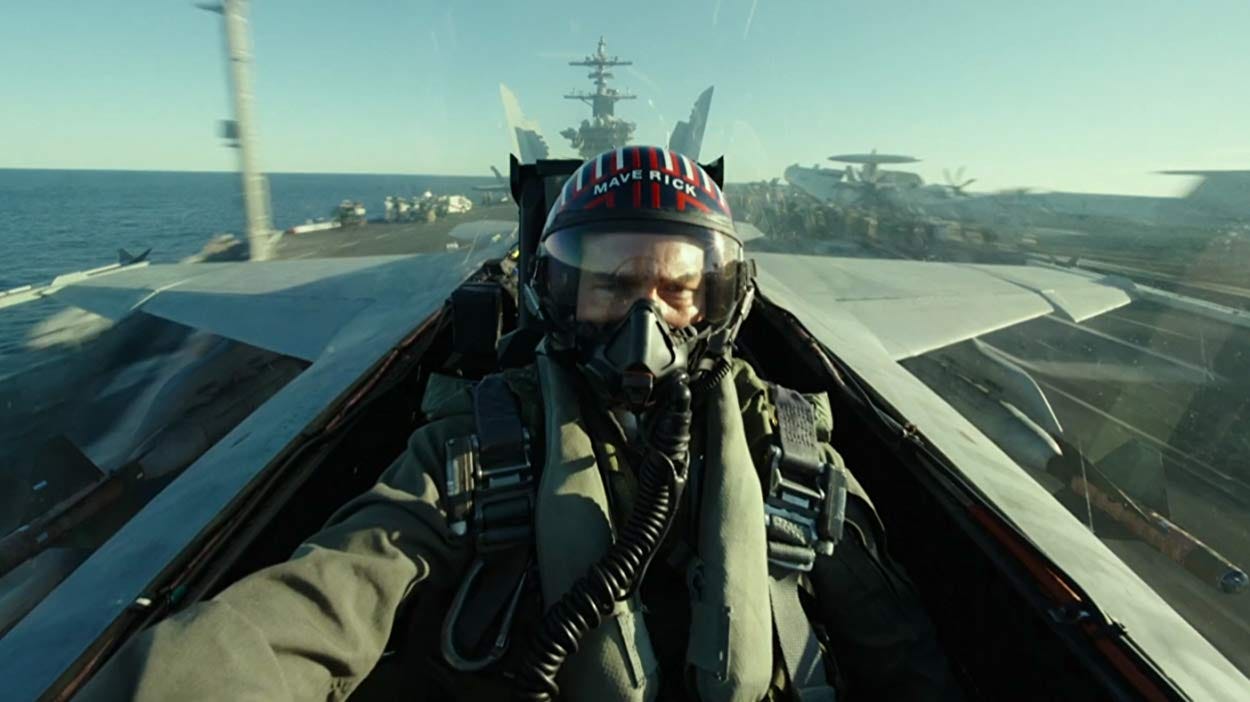
“Talk to me, Goose.”
Grief, guilt, and mortality in four words. An aging fighter pilot who has outlived his wingman, who is now being asked to train other people’s sons to fly to their death.
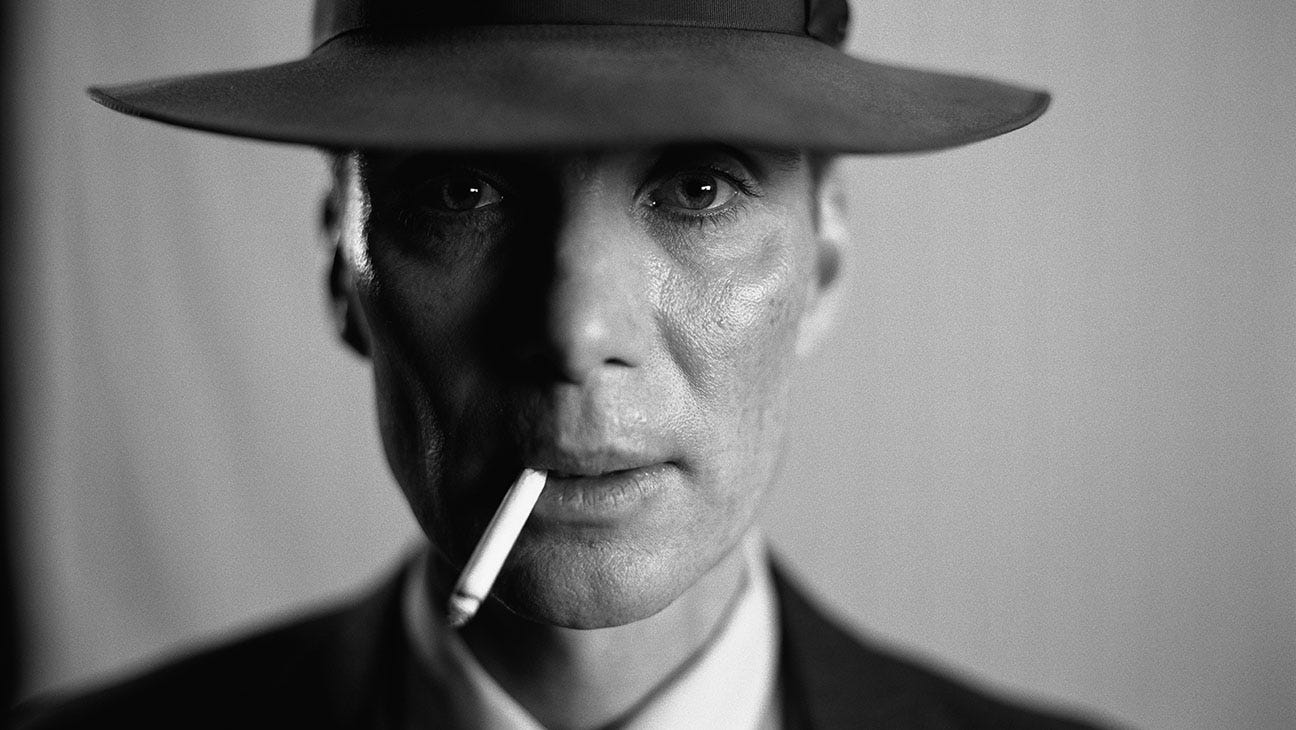
“Now I am become Death, the destroyer of worlds.”
This is a philosophical conflict in seven words. Christopher Nolan, on his approach to Oppenheimer: “I’m not here to tell us whether or not Robert Oppenheimer was a good person. I want to walk the audience through his decision-making.” The trailer’s center of gravity wasn’t the bomb. It was a man’s interior collapse as he watched what he had unleashed.
These trailers work because they obey a rule that good storytellers have understood for as long as there have been campfires: conflict reveals character; cool $h*t doesn’t. A choice under pressure. A line a person refuses to cross.
That’s the thing. The shot of the cool spaceship is not the thing.
Now go back and watch the marketing for The Mandalorian and Grogu.
What does Din Djarin want?
What is he afraid of losing?
Who is stopping him?
What happens if he fails?
I have watched the entire campaign — the Super Bowl ad, the post-Bowl course-correction trailer, the CinemaCon footage, the WrestleMania appearance, the American Idol segment — and I cannot effectively answer any of those questions. Neither, more importantly, can Star Wars Fandom.
GamesRadar, after the final trailer dropped: “After months of confusing marketing, the final Mandalorian and Grogu trailer still doesn’t reveal what the Star Wars movie is about.” Disney’s own Super Bowl/Budweiser Clydesdale spot was so opaque that the studio had to publicly explain, days later, what its 30-second “warmth and emotional bond” intent had been. Gizmodo is right: “If the studio has to explain the meaning of a Super Bowl ad, the message didn’t land.”
What the marketing has communicated, reliably, in every single appearance, is that Grogu is cute.
He sneezes.
He gets into the cookie jar.
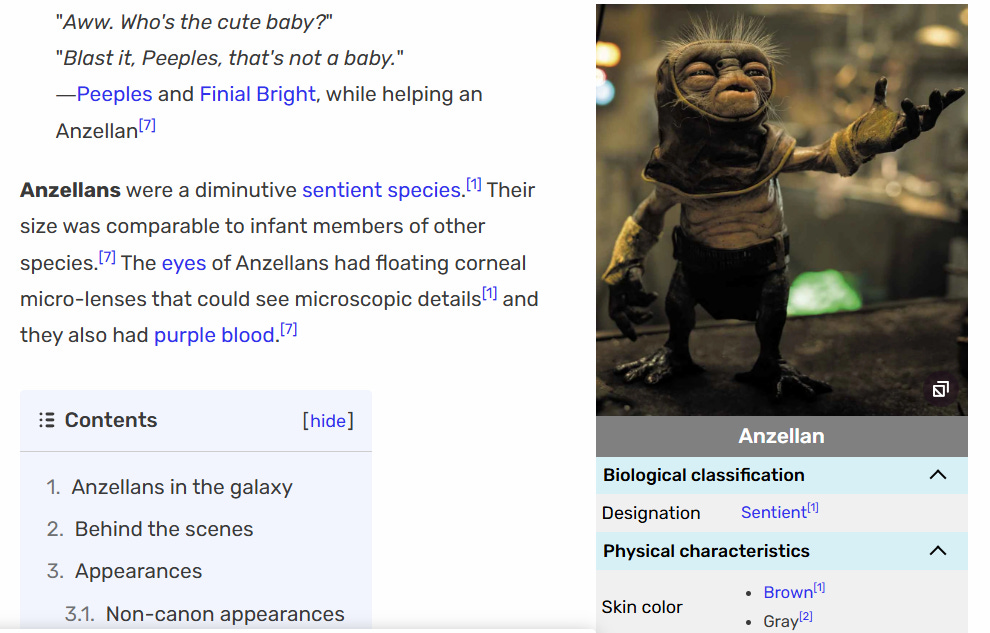
He frolics with the Babu Friks (ok, Anzellans, I looked it up on Wookieepedia).
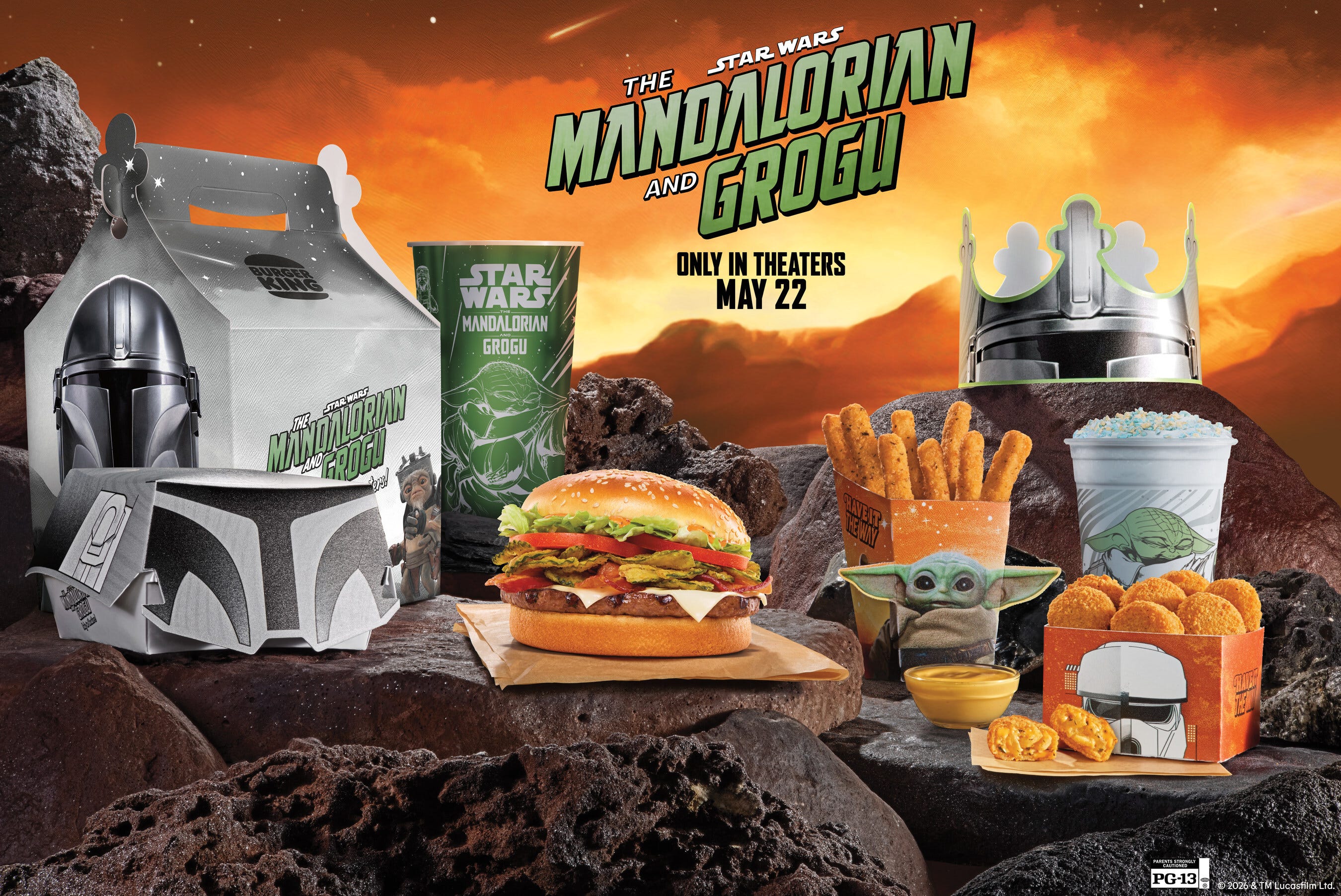
The Burger King menu launches the same week the movie does — Grogu’s Blue Cookie Shake, Grogu’s Garlic Chicken Fries, and a Whopper served in a helmet-shaped carton. That’s the tell.
There’s always a tell.
When the merchandise arrives before the story, you are not selling a movie. You are selling a logo, a branded event with a release date.
Disney’s been here before
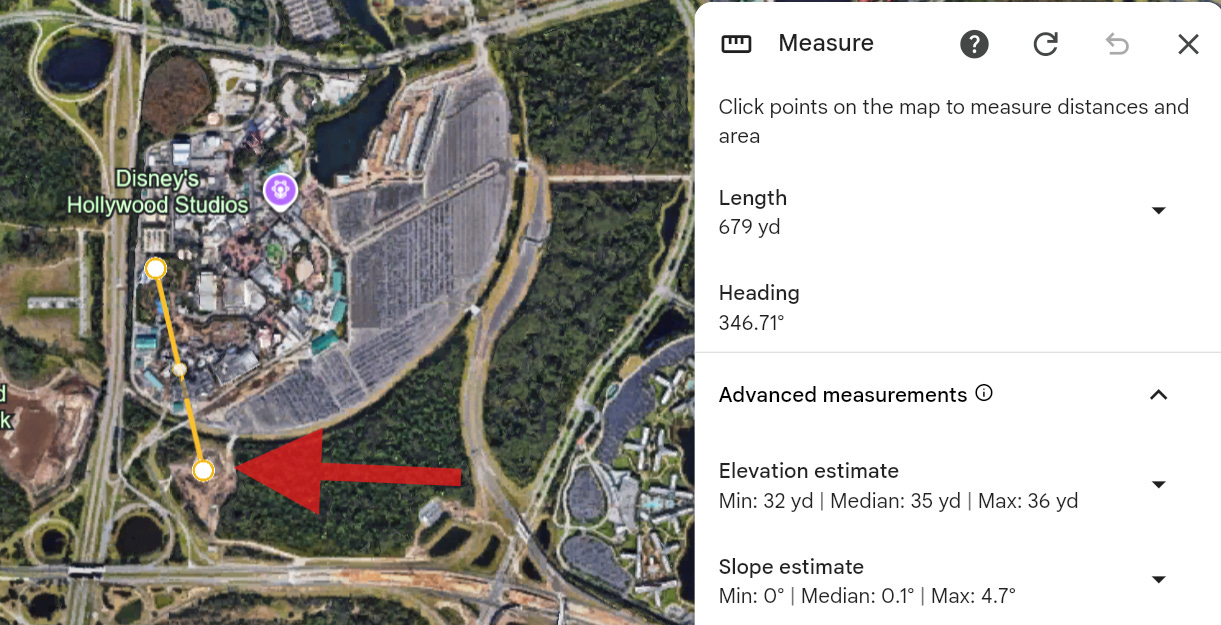
If the Mando campaign were the first time Disney tried to sell IP in place of story, you could forgive this misstep. It isn’t. It’s another iteration of a failed experiment they already ran, at the cost of three hundred million dollars, on a physical building 679 yards (I measured) from the Slinky Dog Dash.
The Star Wars: Galactic Starcruiser opened in March of 2022 and closed eighteen months later. It cost guests around five thousand dollars for a two-night stay, and at peak, it reportedly operated at roughly seventy percent occupancy. Three sources told The Wrap it “never made money. Not one cent.” Disney took an accelerated depreciation charge (tax break) of roughly two hundred and fifty million dollars on the way out the door.
But the financials are not the indictment. The indictment is what Josh D’Amaro, Disney’s Parks chairman, admitted about why it failed. In April of 2024, defending the closure publicly, he said this:
“We took creativity and storytelling to a completely new level, to a level that had never existed before... The experience was difficult to explain to the public.”
Maybe read that last line twice, because it is one of the most damning admissions a senior Disney executive has ever made on the record. And almost no one outside theme-park nerd land noticed it. A story that is hard to explain isn’t a good story. It’s a brand experience.
The Galactic Starcruiser failed to communicate anything compelling in two years of marketing because there was little to communicate. The product was built around IP immersion and attractions — a lightsaber training pod, a bridge with buttons, a space-themed cocktail bar with a Twi-Lek singer — and not around a story with a clear conflict at its center.
Jenny Nicholson diagnosed this with surgical precision. A Themepark enthusiast YouTuber, working alone, who released a four-hour and five-minute video essay called The Spectacular Failure of the Star Wars Hotel. It got two million views in forty-eight hours and eight million within a few weeks. Disney’s response was to file a copyright claim against her video.
Nicholson’s critique was about the marketing’s structural confusion. Disney could not explain what the experience was — was it a luxury vacation? An immersive LARP roleplay? A war game with First Order antagonists? — because Disney itself didn’t know. And so the marketing devolved into the only thing left: glossy footage of guests pushing buttons and going on side quests, and a now-deleted promo video featuring Sean Giambrone from The Goldbergs with Imagineer Ann Morrow Johnson awkwardly touring the Halcyon.
Disney pulled that video down within a week.
The instinct to delete the video. The instinct to release a Super Bowl ad and then have a press interview to explain what it meant. The instinct to copyright claim a four-hour critique rather than answer a single one of its claims. These are not unrelated. They are the muscle memory of a company that no longer knows how to talk to its audience about story, and is hoping that brand presence — a helmet, a ship, a glamorous celebrity will be enough.
It won’t be.
The Pattern
You can chart this exact disease across every recent failed Disney property.
Solo: A Star Wars Story lost over a hundred million dollars because, as A. O. Scott put it in the New York Times, it was “a curiously low-stakes blockbuster, in effect a filmed Wikipedia page.”
The Rise of Skywalker spent six hundred million dollars to deliver a parade of legacy cameos — Lando, Wedge, Wicket, the disembodied voices of dead Jedi in service of a plot that subverted the expectations of basic writing principles.
The Marvels lost two hundred and thirty-seven million dollars on the worst opening weekend in MCU history because the marketing assumed audiences had completed two Disney+ shows as homework.
Snow White, cast Rachel Ziegler.
This is what happens when a company decides that the IP is the asset, and the story is something that gets bolted on top of it to extract value like blood from stone. This is the Disney that walked into WrestleMania holding onto Grogu for dear life.
In Part Two of this piece, we're going to look at what happens when a studio decides to bet everything on brand presence instead of character.
This essay is part of a larger conversation we’re having in Great Escape, our forthcoming book from Post Hill Press.
We argue something that might sound strange right now: the stories you loved as a kid — Star Wars, Lord of the Rings, Narnia, Harry Potter — contain more wisdom about than anything in the self-help aisle.
Jump on the waiting list at greatescapebook.com for exclusive early-access and preorder bonuses.
-Riley
I'm going in with low expectations. I've never been more than a casual fan of the Mandalorian because he and Grogu are just not developed, interesting characters. There's so much more to love in Rebels and Ahsoka. I hope they can put the Mando storyline to rest and focus on more interesting ideas.