

Let Us See Who Wins
Star Wars and the Comfort of the Logos

In the age of modern internet, Stoicism (which Ryan Holiday and others have hilariously labeled “Bro-icism”) has left one of the key elements of classical Stoic belief by the wayside. Stoic philosophy’s advice was informed not only by rational empiricism but also by divine spirituality. As a practicing Stoic myself, this is among the most comforting, anxiety-reducing, and practical wisdom that Stoicism has to offer: there are forces at work bigger than you.
While Broicism might have you believe that you should seek to control all things and variables in your life to achieve a favorable outcome, the Stoics would recognize this as delusion. We might as well try to gather up the wind in our fists and calm the ocean storms. Instead, the Stoic advises that there is great wisdom in letting go of control.
“Demand not that things happen as you wish, but wish them to happen as they do, and you will go on well.” —Epictetus
But how can the Stoic do this? Is this not just giving up? No! Stoics historically believed in the divine Logos, or “Logic,” that orders the universe. It makes all things occur in a way that is sensible and ultimately good. Thus, the Stoic neither tells you to “let God take the wheel,” nor to trust your own driving, but rather to drive your best and trust the Logos with the outcome.
The Logos & the Force
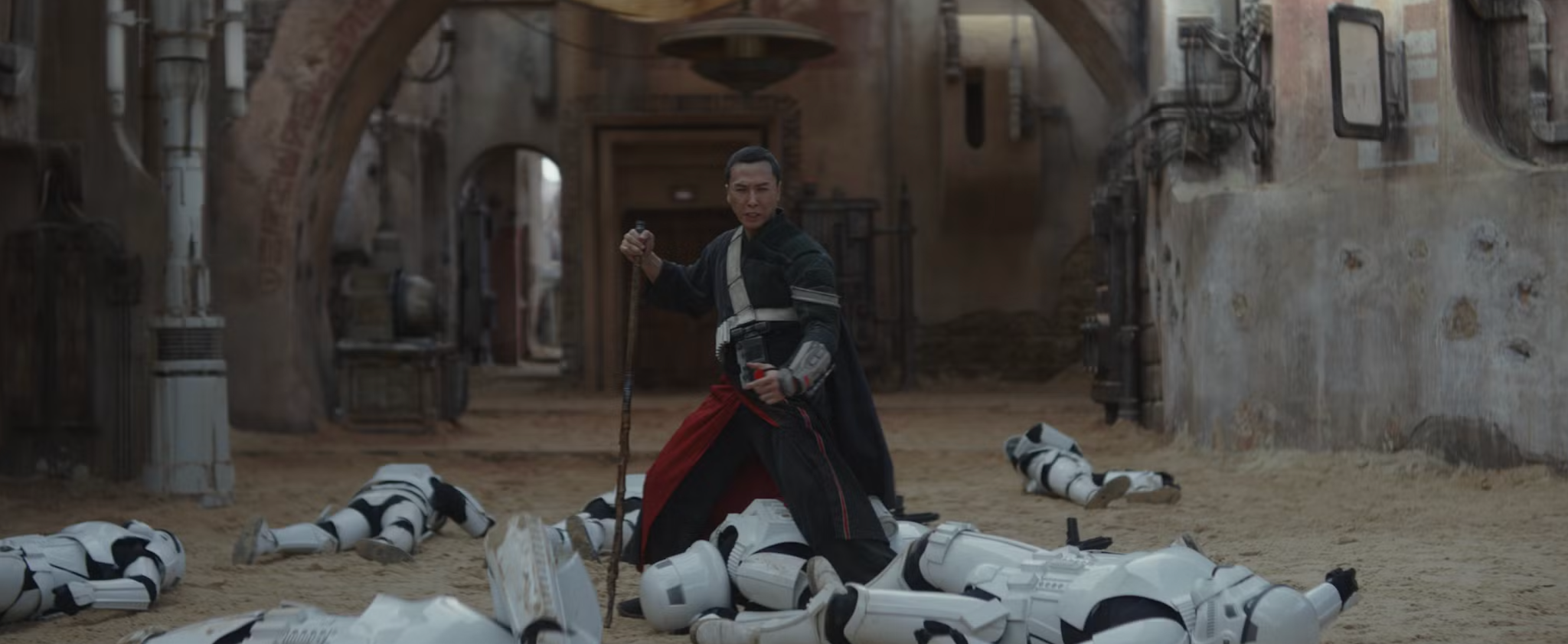
George Lucas’ Star Wars universe is charged with the idea of the Logos, only it’s called “the Force.” Obi-Wan Kenobi and Qui-Gon Jin exhort their pupils to “trust in the Force.” Chirrut, from Rogue One, further expounds,
“The Force is with me, and I am with the Force.
And I fear nothing, for all is as the Force wills it.”
Epictetus and Chirrut fear no misfortune or failure, and trust the Force to guide them to the right end, even if that end is misfortune. If the end is indeed misfortune, that would be the will of the Logos, or the Force, and thus it need not be feared, as all things are working towards a final, cosmic good.
Luke Skywalker, the central figure of the original Star Wars myth, is guided by the Force to his ultimate destiny. As we observe his story, we will see how Luke’s misfortunes are ultimately a necessary step toward the victory of good.
The Divine Necessity of Luke’s Misfortunes
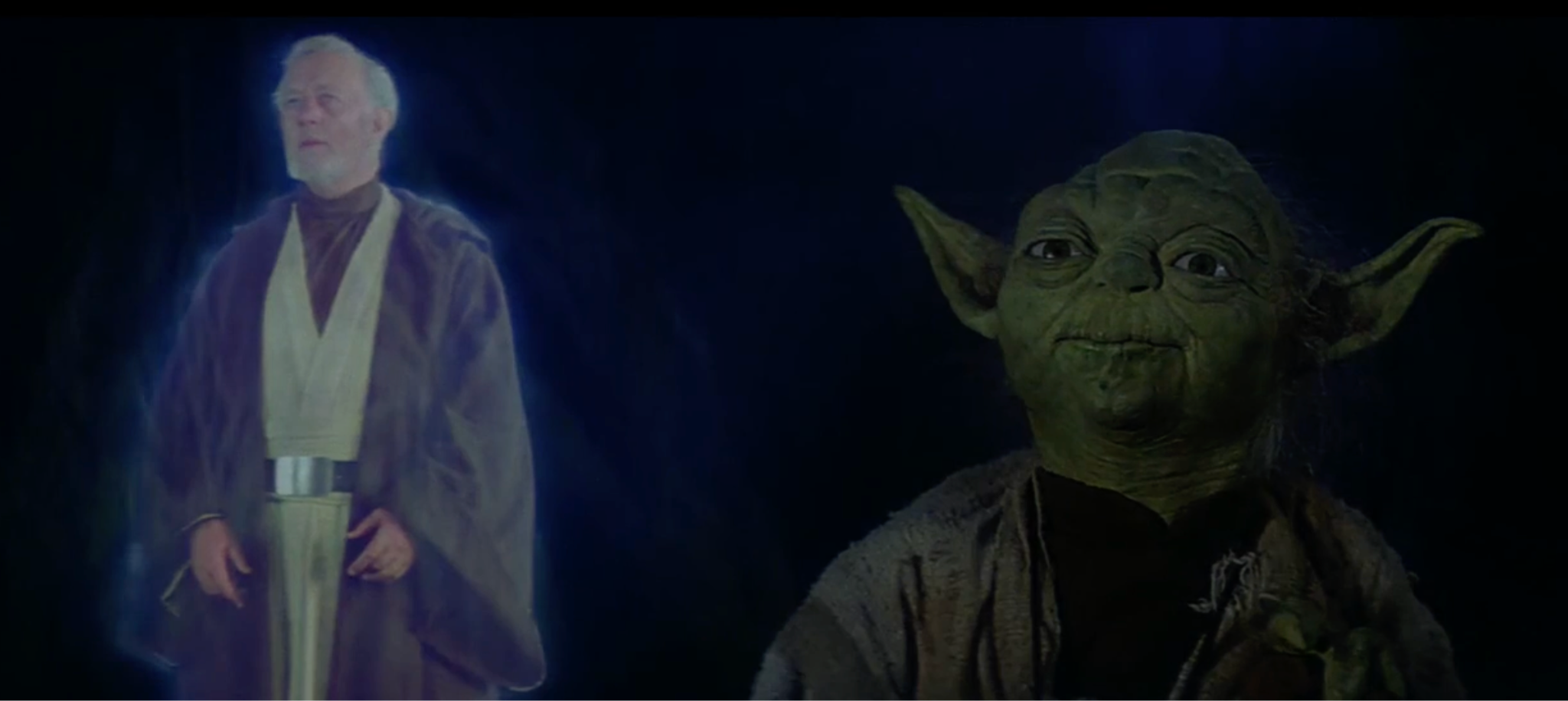
Near the end of The Empire Strikes Back, Luke has a vision of Han and Leia in danger, and decides to abandon his training with Yoda early in order to attempt their rescue. Yoda and Obi-Wan implore Luke to stay and finish his training, insisting that he is unready to face Vader and the Empire. Luke rashly ignores their counsel and hurries to Cloud City. While his intervention allows Leia and company to escape the Empire, Luke is unprepared to face Vader, losing their duel and his hand in the process. Furthermore, a frozen Han Solo is still carted off to be killed by Jabba the Hutt.
NEW ON YOUTUBE THIS WEEK
The travails at Cloud City would seem like a loss. One hero is defeated and dismembered, another captured and set to be executed, and the rest are on the run. Many would be afraid of what would happen next. Yet, the Stoic Seneca says that anxiety about this would be unwise. He declares,
“Let another say: ‘Perhaps the worst will not happen.’ You yourself must say: ‘Well, what if it does happen? Let us see who wins! Perhaps it happens for my best interests…’”
Seneca is right.
What seems like abject failure proves necessary for ultimate success.
Luke’s rash decision to ignore Obi-Wan and Yoda brings about not one, but three goods. Firstly, it saves Leia and the rest from capture. Secondly, he finally understands why finishing his training is necessary, so he does, leaving him prepared to rescue Han and Leia and face Vader. Thirdly, the loss of his hand and its subsequent replacement with a mechanical one serve as the key reminder that stops him from killing Vader and turning to the dark side. It is only because he lost his hand that he restrains himself, allowing Vader to kill Palpatine, fulfill the prophecy, and bring about the victory of good.
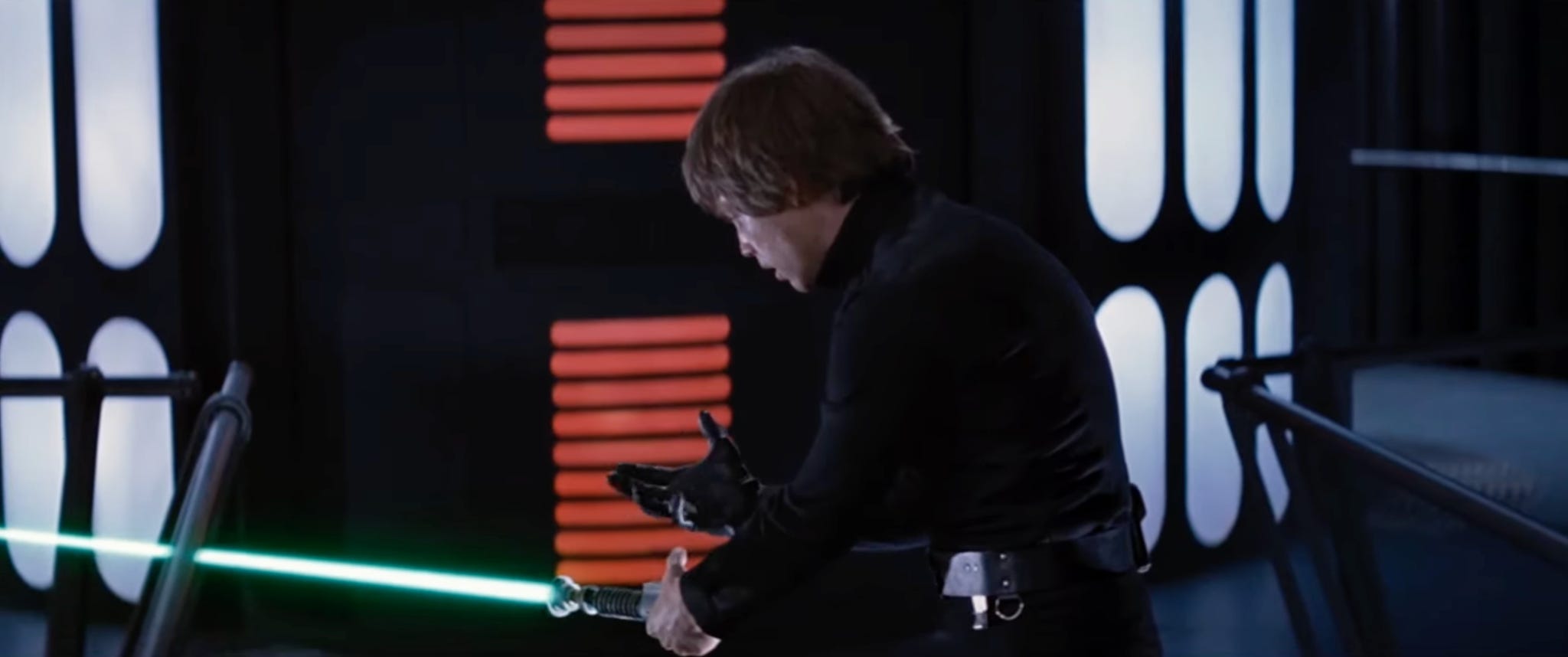
The supernatural cause of final good through temporal misfortune is something not even Yoda and Obi-Wan could have foreseen. Even they did not realize that divine providence would allow Luke’s rashness to bring about the victory of good. Had Luke never foolishly rushed off, good would not have triumphed at all.
But I don’t have the Force!
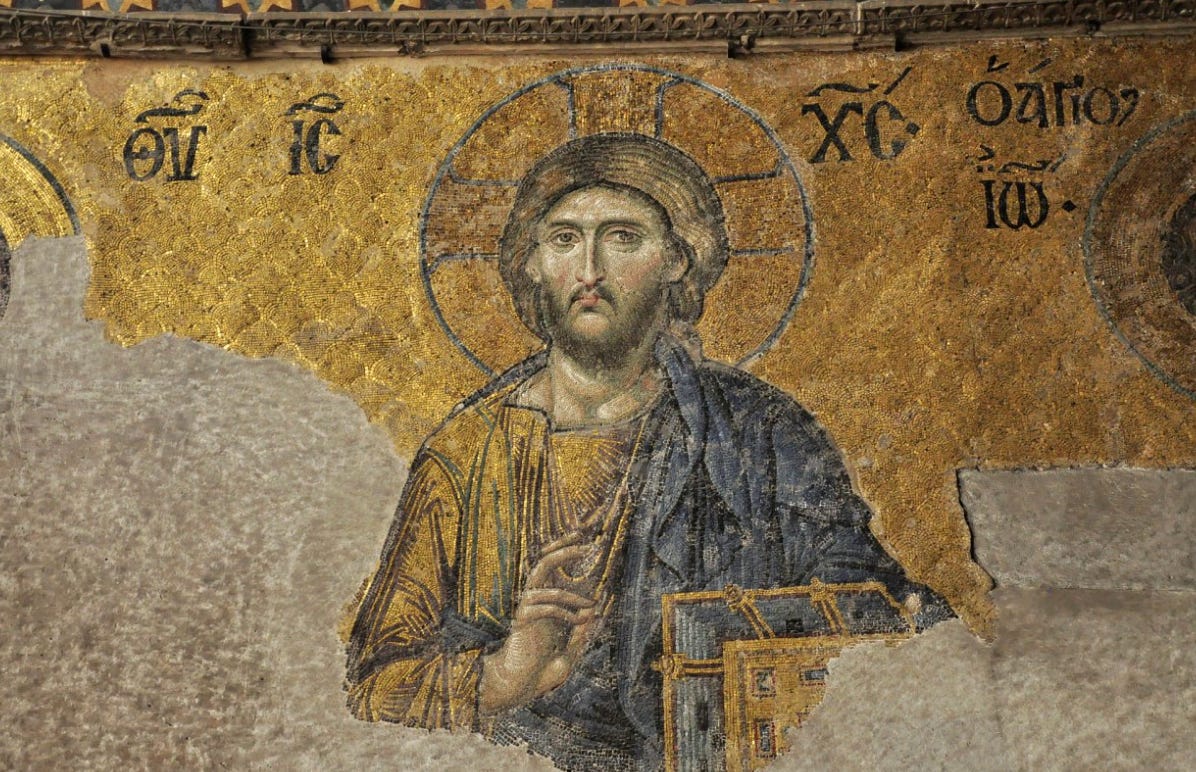
How is this applicable to us? We (sadly) don’t have the Force like the Jedi of Star Wars. While you may have a different understanding of spiritual reality, I’d say that, as a Christian, I have something better than the Force. Even we, mere humans, can utter the same beliefs as Obi-Wan, Yoda, Chirrut, Epictetus, and Seneca, and we can say them with even more conviction. In John 1, the Bible tells us that,
“In the beginning was the Logos, and the Logos was with God and the Logos was God
…and the Logos became flesh and dwelt among us.”
Not only do we believe in a Force or Logos that orders all things for ultimate good, but we believe that Logos is a personal, loving God who, in Jesus Christ, suffered and died to save us all.
So, then, what do we do? When we face trials in life, we are in a danger of sorts. As Obi-Wan tells a frantic Luke, rushing off to save his friends,
“This is a dangerous time for you, when you will be tempted by the dark side of the Force.”
When we face trials and adversity, we, too, will be tempted. We will be tempted to fear, to anger, to despair, and even to evil. Just think of Anakin Skywalker. How easily good ends are twisted to evil means. So next time you face those trials, next time you could give up on yourself, on another, next time you could cheat, lie, and look out for “number one,” remember that you need not give in to those temptations. Remember that even in misfortune, the Divine Will guides all things, and so you need fear nothing. As the Stoics say, let all things happen, and let us see who wins!
“...be sure of this: I am with you always, even to the end of the age.”
—Jesus Christ
 | A guest post by
|