

It's Not "Just Fiction", Bro
Escapism has limits and you become the stories you indulge

Sam R. is known on YouTube as @MasterSamwise to his nearly 200,000 subscribers. His essays on storytelling focus on how books, games and movies enrich our lives and shape our character
One of the more common themes I’ve observed among people who dislike my work is disbelief in art's intention. “It’s just fiction, bro” comes up again and again, especially when I point out the positive, motivational qualities in a story and its characters.
They’re made up.
Why should I care about Uncle Iroh, or Ser Duncan the Tall, or Samwise Gamgee?
Why are you taking life advice from video games? That’s childish.
It’s just fiction…It’s fantasy…It’s a fairy tale…It’s so strange, because this kind of reaction most often comes from people who share my love of The Lord of the Rings, Star Wars or God of War—and stripping those stories of their inherent depth is done in their defense. Why? Well, if they mean something deep and true…then we might listen to the stories and act differently in our daily lives.
But each and every day, we’re swimming in a sea of stories and cultural narratives, whether we choose them or not. The news is an unending serial; your Twitter feed is chock-full of mini-narratives, from amusing personal anecdotes to dramatic tales of daring and danger from the other side of the world—or the dark side of the moon. When you hang out with your spouse, friends, or coworkers, you spend much of that time swapping stories… Do you want to hear endless stories about nonsense, trivial bullcrap and petty drama (Real Housewives)….or stories that make you think and desire to be a better person (LOTR)?
Everything the haters say is true….it’s all fiction, but should fictional stories inspire or change us inside? Is art not supposed to affect us?
We hang art in museums, put books between artwork and screens, and debut movies on giant screens because we are affected.
Does it not matter how we spend our time?
Of course it does. We all make a value distinction between scrolling social media for an hour versus watching an episode of A Knight of the Seven Kingdoms. There is one particular aspect of our mindsets that makes all the difference in the world as we engage with stories and with the internet at large: intentionality.
Are we choosing what to read and watch because we think it will be meaningful or funny….or did it just appear thanks to an algorithm?
If you have an hour to kill, is there a difference between playing Candy Crush and engaging in the character development of Arthur Morgan in Red Dead Redemption? We mustn’t be afraid to make value judgments.
These Fictional “Good Men”, Where Are They?
Some will say it’s immature or silly to find virtuous fictional characters inspiring, because “Anyone can dream up such a man”….I would ask you to answer this simple question: if anyone can create a worthy character...where are they?
Take a look at modern fiction, especially modern fantasy. This genre is supposed to be where you would find this archetype: the courageous man who never falters under pressure, who wields his weapon with unmatched skill, who rejects temptation and renounces despair, who loves with fierce devotion and unyielding loyalty.
Where are those men? Is our current culture producing such heroes?
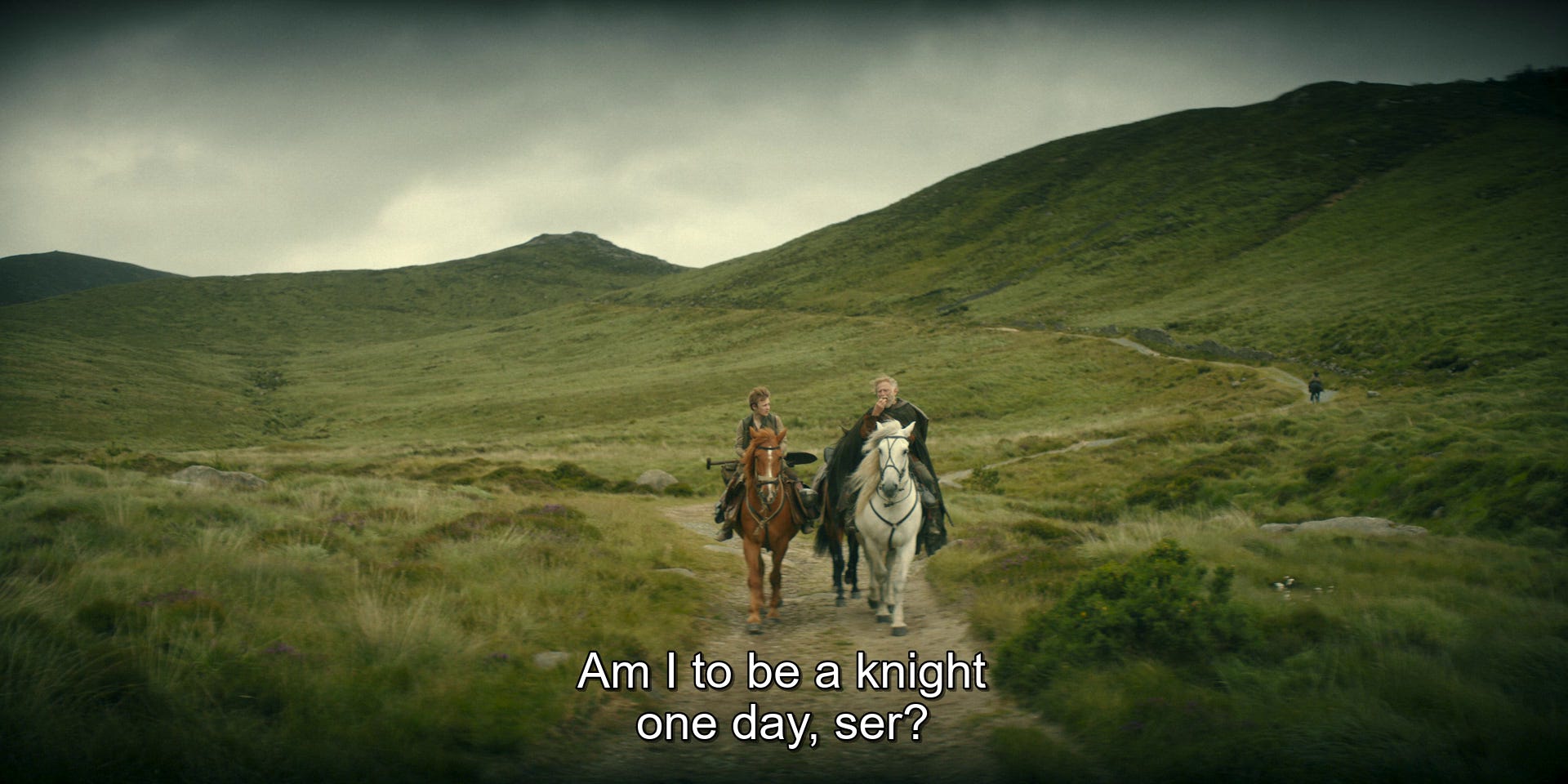
Ser Duncan the Tall in A Knight of the Seven Kingdoms is a recent and welcome one. That show made a huge splash online, specifically because his character traits are so rare and refreshing.
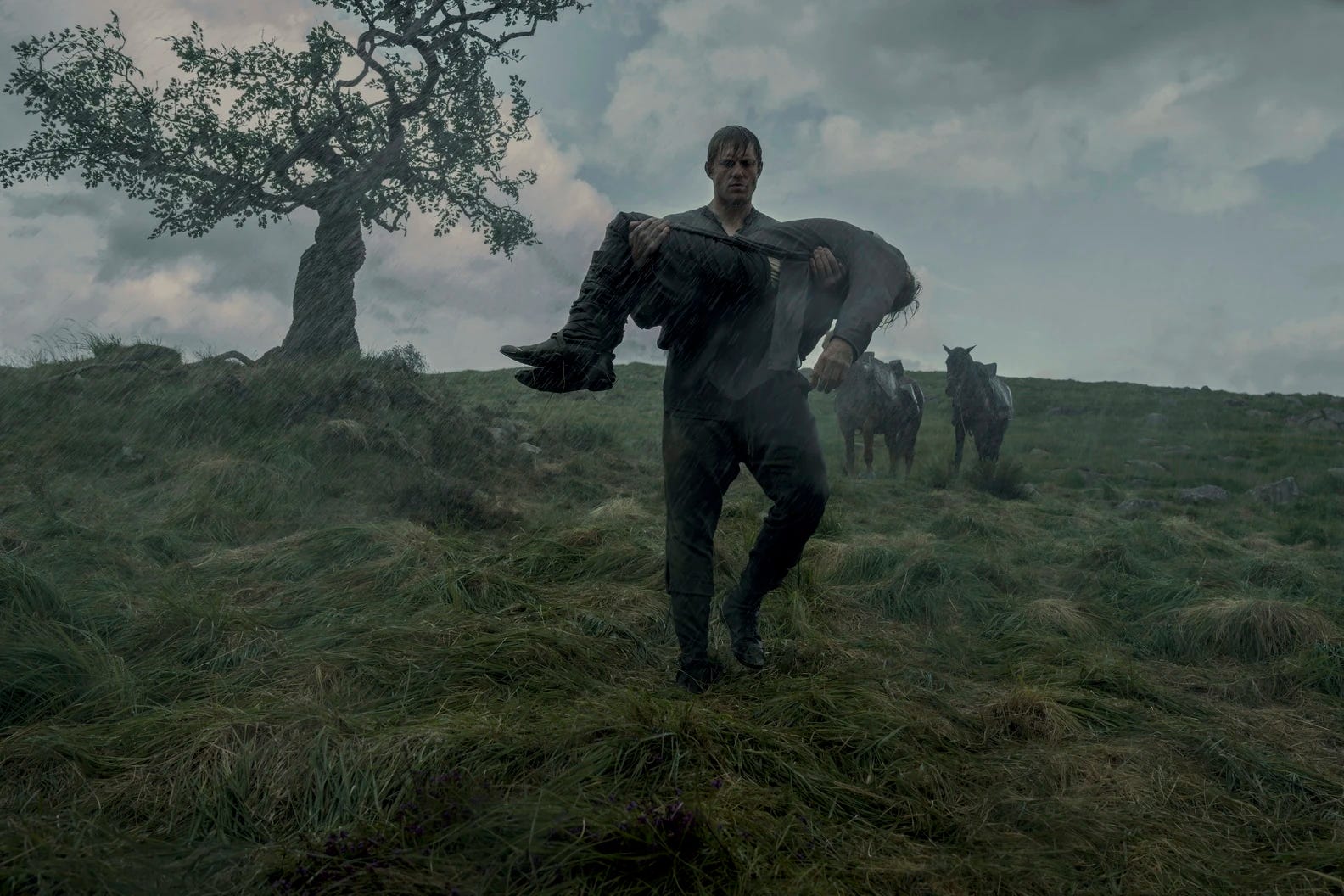
It’s rare because you cannot write what you do not understand. Our storytelling class with an outsized amount of power in seeding the culture with stories….mostly doesn’t understand classical virtue. So you get very little of it.
TV shows like FX’s Shogun, which focuses on the ethics of Japan’s samurai amidst a civil war, are special because so few artists know their way of life well enough to tell a story about. Hollywood writers know plenty about the life of partying, individualism and listlessness in NYC and LA….so we get a ton of that on TV and in the theater.
You’ve probably heard it said, “write what you know,” which is advice easily taken the wrong way. I think it should be applied in a more metaphysical and philosophical fashion: write about ideas with which you are familiar and concepts you understand.
If you put it that way, then you can only write what you know.
JRR Tolkien served in World War I at the Battle of the Somme. He saw true heroism firsthand. So he wrote about it. But more importantly, he wrote about all the good things that those heroes fought to preserve. He wrote about death and its gravity because he saw it.
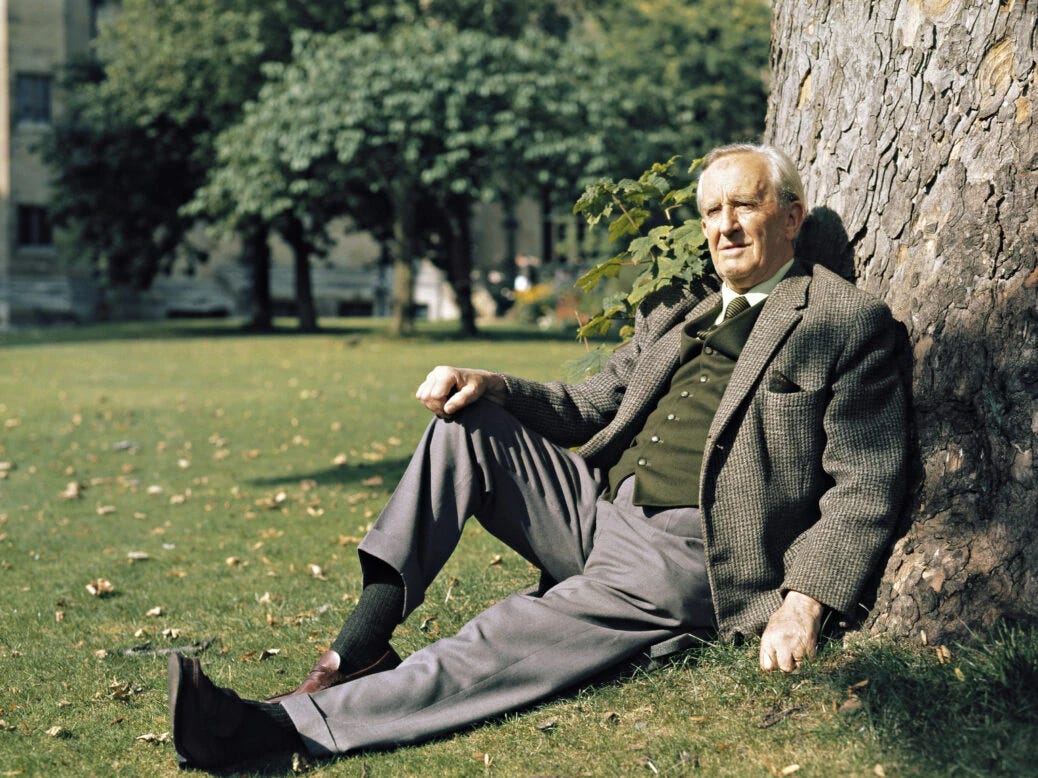
I’m not saying you need to fight in a war to understand courage and sacrifice, and thus to imbue such values into your work. But if you haven’t, then you at least need to be a student of history, to some extent or another. A common problem today is the cannibalization of fantasy—new and aspiring authors inspired only by other authors in the field.
Pick up a fantasy book published in the 2020s.
Is the magic system extremely detailed with hard and fast rules? Probably. That would be the Brandon Sanderson effect.
There’s nothing wrong with taking inspiration from other fantasy authors; in fact, it’s quite unavoidable…but your writing cannot only be derived from them, or it will be derivative: a mishmash of existing stories and systems cobbled together in decidedly uninspired fashion.
If you only understand modern fantasy, you can only write modern fantasy.
Good writers need to be well-versed in history, philosophy, psychology, and the humanities as a whole. You cannot live in your little world—be it urban, suburban, or rural—and create a whole new one if you refuse to explore beyond the boundaries of your everyday life. You need to be grounded in the whole of reality in order to create good fantasy.
Tolkien himself wrote:
“Fantasy is a natural human activity. It certainly does not destroy or even insult Reason; and it does not either blunt the appetite for, nor obscure the perception of, scientific veracity. On the contrary. The keener and the clearer is the reason, the better fantasy it will make. If men were ever in a state in which they did not want to know or could not perceive truth (facts or evidence), then Fantasy would languish until they were cured.”
That passage from On Fairy Stories turned out quite prescient. Tolkien gave us the diagnosis for a disease that he could not have known would descend upon the genre he helped father If we are not grounded in reality, in truth, then we cannot create secondary worlds that reflect that truth.
If we do not believe virtue and vice, good and evil, to be objective realities, then we will find ourselves incapable of creating stories about noble, courageous, and pure-hearted heroes and heroines—because we don’t believe in those things.
Do you see why this matters?
When a culture falls for the postmodern lie that truth and morality are subjective and relative, people online play defense for Frieren’s demons—a race of beings shown to be purely and thoroughly evil—because they can’t make a judgment about good vs. bad. It’s why the Marvel Cinematic Universe has descended from stories about heroes battling villains into tales of “morally gray” anti-heroes whom the audience does not and should not like or cheer for.
So no, it is not true that “anyone” could make up a character such as Uncle Iroh or Aragorn. You need to understand what virtue is and the costs a man must pay to become so virtuous, and why it matters to be good in the first place.
People who do not believe in heroism cannot write heroes.
The whole of Sam’s video essay can be enjoyed on YouTube

 | A guest post by
|